The AD Leaf Studio West Palm Beach The AD Leaf Studio West Palm Beach

Personalized Advertising

Advertising Trend: Ads Are Becoming More Personalized 

Advertising Trend: Ads Are Becoming More Personalized 

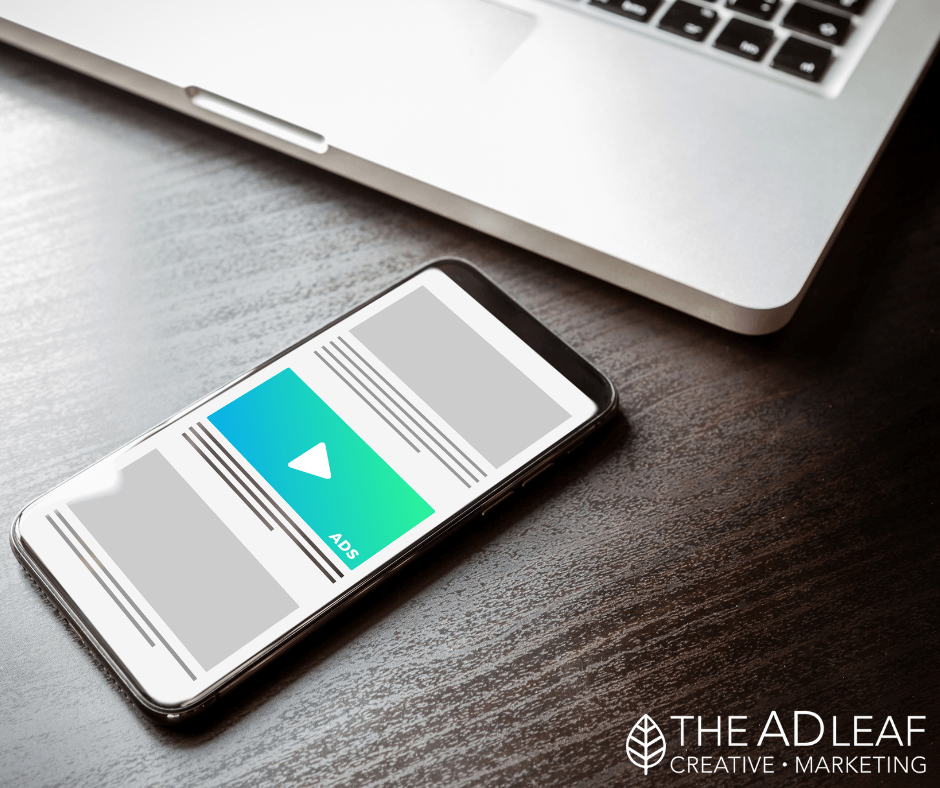
As advertising changes, a clear trend is emerging – the rise of personalized ads. This move toward tailored messages and custom content is not just a passing trend but a smart strategy to build deeper connections with consumers. Using advanced algorithms and user data, companies can now create ads that match individual preferences and behaviors. This focus on personalization is a shift from the traditional one-size-fits-all approach, showing a commitment to delivering more relevant and engaging interactions. By exploring this trend, businesses have a great chance to strengthen brand connections and drive meaningful engagement with their target audiences.

Key Takeaways:

  • Instagram is improving content and ad personalization features to enhance user experience and engagement.
  • Personalized advertising offers benefits like improved relevance for users, higher ROI for advertisers, and better engagement rates.
  • Consumers prefer personalized ads over irrelevant ones because they make online shopping faster and help discover new products.
  • Using consumer information responsibly in ads is crucial for maintaining high engagement rates and ensuring tailored experiences.

Instagram’s Enhanced Personalization Features

Instagram’s new personalization features are changing how advertisers connect with users by tailoring content and ads to individual interests. Focusing on customized content strategies to enhance user experience has become a key goal for marketers looking to boost engagement and conversions. By using data insights to deliver more relevant and personalized ads, companies can create a more immersive and tailored experience for their target audience. These customized strategies not only improve user satisfaction but also increase the chances of turning leads into customers. With Instagram’s new updates, brands can connect with users on a deeper level, leading to higher engagement rates and a better return on investment.

Benefits of Personalized Advertising

With the rise of personalized advertising on social media platforms like Instagram, businesses are seeing big benefits from tailored marketing strategies. Custom messages help companies connect with their target audience on a more personal level, making ads more relevant and boosting ROI. Targeted campaigns based on user behavior and preferences capture consumers’ attention better than generic ads. By using data to deliver personalized content, companies like Google show how tailored experiences can drive engagement and click-through rates. Overall, personalized advertising is key to providing consumers with a smoother and more relevant online shopping experience.

Importance of User Personalization

Personalized user experiences are crucial for improving engagement and conversion rates in digital marketing.

  • Personalized recommendations: Tailoring ads to user preferences greatly enhances relevance.
  • User customization: Allowing users to personalize their experience creates a sense of ownership.
  • Tailored marketing: Creating campaigns specific to individual behaviors boosts engagement.
  • Customized experiences: Providing unique interactions based on user data increases satisfaction and loyalty.

Leveraging Data for Targeted Ads

How can data-driven insights improve targeted advertising strategies in digital marketing?

Data-driven targeting helps create customized marketing strategies that resonate with specific audiences, leading to higher engagement and conversion rates. By using data analytics, marketers can better understand consumer behavior, preferences, and purchase patterns, enabling them to deliver more relevant and impactful ads. This targeted approach not only improves the overall user experience but also maximizes the return on investment for advertisers. The table below shows the key benefits of data-driven targeting and customized marketing strategies:

BenefitsData-Driven TargetingCustomized Marketing Strategies
Enhanced RelevanceTailored ads based on user data for increased relevancePersonalized content that resonates with specific audiences
Improved EngagementHigher engagement rates due to targeted messagingIncreased interaction and response rates
Increased ConversionsMore conversions from highly targeted adsBetter conversion rates through personalized communication

Consumer Preference for Personalized Ads

Clearly, consumer preference for personalized ads is shaping the future of advertising strategies and user engagement.

Consumers Prefer Relevance:

  • 71% of consumers favor personalized ads over irrelevant ones.
  • Personalized ads improve user experience by reducing irrelevant advertising and helping consumers discover new products.
  • Personalized ads make online shopping faster and easier for consumers.
  • Responsible use of information in ads is crucial for maintaining high engagement rates.

As digital marketing evolves, targeted marketing based on consumer preferences remains key to enhancing engagement and driving results. By delivering personalized content, businesses can effectively capture their target audience’s attention and boost ROI.

Maximizing Engagement With Personalization In digital marketing, using personalized advertising to maximize engagement is crucial for businesses aiming to connect with their audience and achieve significant results. Personalization strategies create customized experiences that resonate deeply with consumers, leading to increased interaction and brand loyalty. By tailoring content based on user preferences, behaviors, and demographics, companies can build stronger connections that result in higher engagement. Customized experiences not only improve user satisfaction but also increase the likelihood of conversions and long-term customer relationships. Effectively using personalization techniques can set businesses apart in a competitive market by delivering relevant and engaging content that speaks directly to individual needs and interests.

Why The AD Leaf

Our team of experts, along with their advanced tools and analytics, can help increase your brand’s visibility and provide valuable insights. By taking care of tasks like content creation, scheduling, and engagement monitoring, they save you time and resources. They also have the expertise to effectively reach your target audience and maintain consistent branding across different platforms. With their data-driven approach, you can expect measurable results and successfully achieve your business goals.

Frequently Asked Questions

How Does Instagram’s Enhanced Personalization Features Impact User Data Privacy and Security?

Enhanced personalization features on Instagram raise concerns about user data privacy and security. User consent is pivotal in leveraging data for personalization, ensuring transparency. Implementing robust data encryption protocols is crucial for safeguarding sensitive information and maintaining user trust.

What Are Some Potential Challenges That Advertisers May Face When Implementing Personalized Advertising Strategies?

Implementing personalized advertising strategies may challenge advertisers in balancing data protection and consumer trust. Advertisers must navigate privacy concerns, ensure transparent data usage, and maintain ethical practices to build long-term trust with consumers while delivering targeted content effectively.

How Do Companies Like Google Ensure That the Data Used for Targeted Ads Is Accurate and Up-To-Date?

Companies like Google ensure data accuracy for targeted ads through robust data collection methods, continuous data verification processes, and sophisticated algorithms that analyze user behavior patterns. This meticulous approach enhances targeting effectiveness and maximizes the relevance of ads to users.

Are There Any Regulations or Guidelines in Place to Ensure Responsible Use of Consumer Information in Personalized Advertising?

Ethical considerations and data protection regulations, such as GDPR and CCPA, govern responsible use of consumer information in personalized advertising. Upholding consumer trust is crucial for effective marketing strategies, ensuring transparency and compliance.

How Can Businesses Measure the Effectiveness of Personalized Ads in Terms of ROI and User Engagement?

Measuring the effectiveness of personalized ads entails tracking user behavior to gauge ROI and engagement levels. Analyzing conversion rates, click-through rates, and customer interactions provides valuable insights for optimizing ad campaigns and enhancing user experiences.

Digital Marketing Services agency

Why Should I Hire A Marketing Agency

Why Do I Need Marketing?

Marketers tell stories, much like novelists or journalists. Everyone and everything has its own unique story, including businesses. Why do I need marketing Everyone deserves to have their story told, so we focus on telling a business’s story to the world in marketing. By telling a company’s unique narrative, it creates a special connection between the owner and the consumer. This special connection can help with sales and become a memorable part of someone’s day. Marketing can also help with customer retention by showing your current customers that you value them and appreciate their business.

Marketing is an essential aspect of any business, large or small, retail or B-to-B. An effective program will generate awareness, create interest, build loyalty and eventually turn prospects into devoted customers. Marketing can also help businesses increase sales and grow their customer base, and is an essential part of any business, and it should be given the attention it deserves.

It’s Not Just About Selling

Many people think marketing is just about selling products or services. While it is true that it does lead to increased sales, marketing is so much more than that. Marketing creates a connection with your community. It is the process of creating value for a company through creating and delivering products or services that customers want and should have. Marketing also involves understanding target markets and then designing strategies to reach those markets.

Marketing takes many different forms, including advertising.

Types of Marketing:

Digital Marketing

In our digital age, it is vital to promote your business online. Moreover, this creates a more significant boost to other, more traditional ads. There are many types of digital advertising such as:

Among many more!

Digital marketing is a broad term that covers all of your online marketing efforts. Businesses leverage digital channels such as Google search, social media, email, and websites to connect with current and prospective customers.

Digital media is the fastest-growing form of mass communication. The number of people using the Internet is increasing every day. Advertising on the Internet is vital for businesses today because that’s where their customers are spending most of their time.

A website is a digital storefront for your business. It’s a 24/365 marketing tool that helps you reach your target audience and sell your product or service.

Digital media is measurable, so you can track your results and adjust your campaigns accordingly. Marketing on the Internet is also very cost-effective.

Leverage Expertise and Experience

Hiring a marketing agency worth is a crucial decision for any small business owner. While some may prefer to keep their marketing in-house, working with an agency can provide access to a team of experts with extensive experience in various marketing activities. By leveraging the expertise and experience of a marketing agency, business owners can ensure that their marketing campaign is effective and reaches its goals.

One of the main reasons why you should hire an agency is the specialized knowledge they bring to the table. While an in-house marketing team may have a good understanding of the company’s products and services, a marketing agency has experience working with a variety of clients and industries. This diversity of experience can bring fresh perspectives and innovative ideas to the marketing process.

Another advantage of hiring a marketing firm is the cost-effectiveness of their services. Instead of hiring and training a new marketing employee or building a dedicated marketing department, businesses can simply hire an agency and have access to a team of professionals with proven track records. This can save time and resources while still achieving the desired marketing goals.

Finally, when it comes to specific marketing services such as content marketing, email marketing, and marketing and advertising, a marketing agency can provide expertise and insights that may not be available with an in-house marketing team. By working with an agency, business owners can benefit from strategic planning, creative execution, and measurable results that align with their overall marketing plan.

Strategic Planning

When it comes to marketing and advertising, small business owners often find themselves at a crossroads on whether to keep their marketing activities in-house or outsource to a marketing agency worth partnering with. The decision to hire an agency or build an in-house marketing team depends on several factors such as budget, expertise, and marketing goals. While some prefer the control and flexibility of an in-house marketing approach, others recognize the benefits of working with a specialized marketing agency that can provide a holistic view of the marketing process.

One of the reasons why you should hire a marketing firm is the access to a team of experts who can execute a tailored marketing plan to achieve your marketing goals. Additionally, outsourcing marketing services can save you time and resources, allowing you to focus on other aspects of your business. However, it’s important to weigh the pros and cons of hiring a marketing company before making a decision. Some advantages of hiring a marketing firm include expertise in content marketing, email marketing, and digital advertising.

Cost Effective

Hiring a marketing company can be a cost-effective solution for a small business owner who may not have the resources to maintain an in-house marketing team. By outsourcing your marketing campaign to a reputable marketing agency worth their salt, you can save money on overhead costs associated with hiring a full-time marketing employee or building a marketing department from scratch. Additionally, working with an agency can provide access to specialized expertise in areas such as content marketing, email marketing, and marketing and advertising, which can help you achieve your marketing goals more effectively.

Before deciding whether to hire an agency or keep your marketing in-house, it’s important to weigh the pros and cons of hiring a marketing firm. While marketing companies can offer numerous benefits, such as a streamlined marketing process and access to a wider range of marketing services, they may also come with a higher price tag compared to hiring an employee. Ultimately, the advantages of hiring a marketing firm may outweigh the costs, especially if you’re looking to elevate your marketing activities and achieve a strong marketing plan.

 Why The AD Leaf

EVERYONE deserves their story to be told, no matter who you are. Marketing is the best way to do that. It’s a great way to connect with people who might be interested in what you have to say.

Frequently Asked Questions

Q: Why should I consider hiring a marketing agency?

A: Hiring a marketing agency can bring expertise, fresh perspectives, and efficiency to your marketing strategies that could lead to improved results and growth for your business.

Q: How do I determine if hiring a marketing agency is right for my business?

A: Consider evaluating your marketing needs, budget constraints, and available resources to determine if outsourcing to a marketing agency aligns with your goals and objectives.

Q: What are the advantages of hiring a digital marketing agency?

A: Digital marketing agencies are equipped with specialized skills in online marketing channels, tools, and technologies to enhance your online presence, reach target audiences, and drive conversions.

Q: How much does it cost to hire a marketing agency?

A: The cost of hiring a marketing agency can vary based on the services required, the scope of work, and the agency’s expertise. It is advisable to request a detailed quote and discuss pricing options upfront.

Q: What are the benefits of working with a marketing agency for my small business?

A: Marketing agencies can provide small businesses with access to professional expertise, strategic insights, and scalable marketing solutions that may not be feasible with in-house resources.

Q: How can I determine if a marketing agency is worth hiring?

A: Research the agency’s portfolio, client testimonials, industry reputation, and communication style to assess if they align with your business goals and can deliver the results you seek.

Q: What are the key questions to ask before hiring a marketing agency?

A: Before hiring a marketing agency, consider asking about their experience, core competencies, strategic approach, reporting processes, and how they measure success to ensure a good fit for your business.

construction advetising

How to Advertise Your Construction Company Online

How to Advertise Your Construction Company Online

In today’s digital age, the landscape of online advertising for construction companies holds hidden gems of opportunity that many may not be fully aware of. As we navigate the complexities of promoting our construction business in the vast online realm, we uncover nuanced strategies and tools that can propel our brand into the spotlight. With a keen eye on innovative approaches and proven methods, we strive to unlock the secrets of effective online advertising that can set our company apart from the competition. Join us on this journey as we unravel the mysteries of maximizing our online presence and harnessing the power of digital marketing to elevate our construction business to new heights.

Key Takeaways

  • Define target audience demographics and preferences to tailor online advertising strategies effectively.
  • Implement SEO strategies such as keyword optimization and backlink building to improve online visibility.
  • Engage with the target audience through social media by creating compelling content and collaborating with influencers.
  • Utilize online advertising platforms like Facebook for Business and Google Ads for targeted and optimized ad campaigns.

Strategic Planning and Budgeting

Initiating a detailed strategic plan and setting a defined marketing budget are pivotal steps in effectively advertising our construction company online. To begin, we must meticulously define our target audience, understanding their demographics, preferences, and online behavior. This data-driven approach ensures that our marketing efforts resonate with the right individuals, maximizing the impact of our campaigns. Simultaneously, establishing a clear marketing budget is essential for allocating resources efficiently and measuring the return on investment. By setting measurable goals and tracking our spending, we can optimize our online advertising strategy for optimal results. Our construction company’s success in the digital landscape hinges on strategic planning and prudent budgeting, guiding our path towards reaching and engaging our target audience effectively.

Website Optimization and SEO Strategies

With our target audience and marketing budget clearly defined, optimizing our website and implementing SEO strategies becomes the next imperative focus to enhance our construction company’s online visibility and attract qualified leads. To improve our Google ranking and increase website traffic, we must ensure our website is optimized for search engines by incorporating relevant keywords, creating high-quality content, and building backlinks. Regularly reviewing Google Analytics data will provide insights into visitor behavior and enable us to make data-driven decisions to further enhance our online presence. By highlighting our unique selling points, ensuring easy navigation, and having clear calls to action, we can increase user engagement and drive conversions, ultimately leading to a boost in our online visibility and attracting more qualified leads.

Social Media Engagement

Engaging our target audience through strategic social media tactics is crucial for maximizing brand visibility and fostering meaningful connections in the digital landscape.

  • Content Creation:

  • Develop engaging and informative content

  • Showcase projects and behind-the-scenes insights

  • Tailor content to resonate with the target audience

  • Influencer Partnerships:

  • Collaborate with industry influencers

  • Leverage influencer reach for brand promotion

  • Partner with influencers for sponsored content

Online Advertising

To maximize our construction company’s online presence and reach, we strategically deploy targeted online advertisements tailored to our ideal customer persona. By creating targeted campaigns, we ensure that our ads are reaching those most likely to engage with our services. Utilizing platforms like Facebook for Business and Google Ads allows us to pinpoint our audience with precision. Additionally, we focus on conversion optimization to drive meaningful actions from our ads. By analyzing data and conducting A/B testing, we fine-tune our strategies to enhance conversion rates. Incorporating compelling visuals and repurposing existing content for ad campaigns help us capture attention and drive results. Our approach is data-driven, creative, and geared towards maximizing ROI.

Performance Tracking and Strategy Adjustment

Maximizing our construction company’s online presence through targeted online advertisements has provided valuable insights that now guide our focus towards performance tracking and strategy adjustment.

  • Track Conversion Rate: Analyze how many website visitors turn into leads or customers to gauge the effectiveness of our online ads.
  • Enhance Customer Retention: Implement strategies to keep existing customers engaged and encourage repeat business.
  • Adapt Marketing Tactics: Utilize A/B testing to optimize ad performance and adjust our marketing strategies based on data insights.

External Resources for Assistance

Utilizing external resources strategically enhances our construction company’s online advertising efforts. By forming external partnerships and outsourcing services, we can tap into specialized expertise and expand our reach effectively. Here is a breakdown of how external resources can benefit our online advertising strategy:

External PartnershipsOutsourcing Services
Gain access to new marketsDelegate non-core tasks
Share industry insightsUtilize specialized skills
Collaborate on campaignsImprove efficiency
Enhance brand credibilityFocus on core competencies
Increase networking opportunitiesSave time and resources

These external resources can provide valuable support in areas where we may lack expertise, ultimately boosting our online advertising impact.

Utilizing Social Media Marketing Tools

As we delve into optimizing our social media marketing strategy, we aim to leverage cutting-edge tools for enhanced engagement and impact.

  • Automation Tools:
  • Schedule posts for optimal times
  • Use chatbots for customer service
  • Automate responses to common queries
  • Analytics Insights:
  • Track engagement metrics
  • Analyze audience demographics
  • Monitor click-through rates
  • Creative Content Planning:
  • Develop a content calendar
  • Utilize multimedia for variety
  • Encourage user-generated content

Why The AD Leaf?

Our team of experts, along with their advanced tools and analytics, can help increase your brand’s visibility and provide valuable insights. By taking care of tasks like content creation, scheduling, and engagement monitoring, they save you time and resources. They also have the expertise to effectively reach your target audience and maintain consistent branding across different platforms. With their data-driven approach, you can expect measurable results and successfully achieve your business goals.

Frequently Asked Questions

How Can a Construction Company Leverage Influencer Marketing to Promote Their Services Online?

We can boost our online presence through influencer collaborations and social media partnerships. By creating engaging content and utilizing brand ambassadors, we can reach a wider audience, drive brand awareness, and enhance credibility in the construction industry.

What Are Some Creative Ways to Showcase Before and After Project Photos on Social Media?

In showcasing before and after project photos on social media, we captivate our audience with creative photo collages and engaging timelapse videos. These dynamic visuals tell a compelling story, demonstrating our quality workmanship and transformation expertise.

How Can a Construction Company Utilize Email Marketing to Connect With Past Clients and Generate Repeat Business?

When connecting with past clients, we leverage email marketing to show client appreciation and introduce loyalty programs. By tracking engagement metrics and adjusting content based on data, we ensure repeat business and foster lasting relationships.

What Are Some Effective Strategies for Targeting Local Customers Through Online Advertising?

In targeting local customers through online advertising, we focus on local SEO optimization for visibility and use social media advertising to engage our community. By leveraging Google Ads and Facebook targeting, we tailor strategies for optimal reach.

How Can a Construction Company Effectively Use Online Reviews and Testimonials to Build Credibility and Attract New Clients?

Customer testimonials and Google reviews are essential for building social proof and credibility. By showcasing positive feedback, we attract new clients. Utilize testimonials strategically on our website and social media to establish trust and authenticity.

ai marketing agency

How Good Is Google Gemini Advanced?

How Good Is Google Gemini Advanced?

So, you want to know just how good Google Gemini Advanced really is, huh? Well, buckle up because we’re about to take a deep dive into all the nitty-gritty details. As a team of seasoned researchers and analysts, we’ve had the opportunity to thoroughly evaluate this highly anticipated language model and chatbot. And let me tell you, the results have been, well, quite intriguing. From its multimodal features to its improved reasoning capabilities, Gemini Advanced seems to have it all. But here’s the twist: user experiences have been all over the map, with some expressing disappointment and others offering moderate praise. What could be causing this discrepancy? And what do the experts have to say? Trust me, it’s a puzzle worth unraveling. So, let’s get to the bottom of this and see if Gemini Advanced lives up to the hype.

Key Takeaways

  • Gemini Advanced is a language model and chatbot released by Google.
  • Users have expressed disappointment with Gemini Advanced’s performance and consider it to be of low quality in terms of its responses.
  • Experts and casual users have conflicting reviews, with experts offering moderate praise and users expressing disappointment.
  • There is a need for further evaluation and evidence to reach a clearer understanding of Gemini Advanced’s performance.

What is Google Gemini Advanced?

Gemini Advanced is a language model and chatbot released by Google. It offers a range of features and is priced at $19.99 per month. Users can also enjoy a free trial period of two months. Gemini Advanced is available through Google One and can be accessed as an app on Android and iOS devices. It has been launched in 150 countries and supports the English language. This advanced version of Gemini is multimodal, equipped with data analysis capabilities, and offers improved reasoning compared to Gemini Pro. It is important to note that while Gemini Advanced has received praise from experts, some users have expressed disappointment with its performance. To fully evaluate its effectiveness, further analysis and evidence are needed.

Users’ Perception of Gemini Advanced

After considering the features and pricing of Gemini Advanced, it is important to examine how users perceive its performance. Comparing user reviews and evaluating user satisfaction reveals a general disappointment with Gemini Advanced. Many users have expressed dissatisfaction, stating that it falls short in terms of accuracy and knowledge compared to GPT-4. Gemini Advanced has also been shown to fail in certain tests, such as the feather-lead weight test and the apple test. Users have reported that GPT-3.5 performs better than Gemini Advanced in reasoning tests. Overall, the consensus among users is that Gemini Advanced provides low-quality responses. These user perceptions highlight the need for further improvement and development in order to enhance user satisfaction.

Contrasting Reviews From Experts and Users

Experts and users have contrasting reviews when it comes to evaluating the performance of Gemini Advanced.

  • Expert opinions:
  • Ethan Mollick suggests that Gemini Advanced is on par with GPT-4 in terms of performance.
  • François Chollet, a Googler, praises Gemini Advanced for its coding assistance.
  • User experiences:
  • Users express disappointment with Gemini Advanced’s performance.
  • Some users compare it to GPT-4 and find GPT-4 to be more accurate and knowledgeable.
  • Gemini Advanced fails in certain tests, such as the feather-lead weight test and the apple test.
  • Users report that GPT-3.5 performs better than Gemini Advanced in reasoning tests.
  • Overall, users perceive Gemini Advanced as providing low-quality responses.

The conflicting feedback from experts and users highlights the complexity of evaluating language models and chatbots. While experts have moderate praise for Gemini Advanced, casual users express disappointment. Further evaluation and evidence are needed to reach a clearer understanding of Gemini Advanced’s performance.

Hypotheses for the Discrepancy

One possible explanation for the conflicting reviews between experts and users regarding the performance of Gemini Advanced could be attributed to varying expectations and requirements in evaluating language models and chatbots. Users often evaluate chatbots based on reasoning tasks, considering them more challenging. Gemini Advanced may perform poorly in reasoning tasks, leading to users’ disappointment. Additionally, GPT-4 may be better prepared to handle tricky tests due to its longer development time, which could contribute to its perceived superiority. OpenAI’s history of addressing specific problems reported by users may also play a role in GPT-4’s favorable evaluations. However, the mixed evaluations make it difficult to draw a conclusive explanation for the discrepancy. Further evaluation and evidence, including benchmarking and data analysis, are needed to better understand Gemini Advanced’s reasoning task performance and users’ evaluations.

Need for Further Evaluation and Evidence

Further evaluation and evidence are crucial to gain a comprehensive understanding of Gemini Advanced’s performance and address the mixed evaluations from users and experts. Evaluating language models and chatbots presents several challenges, including data analysis limitations. To paint a clearer picture, we need to consider the following:

  • Evaluation challenges:
  • Benchmarking and evaluating language models and chatbots is a complex task.
  • The lack of an ELO score for Gemini in the LMSys arena hinders comprehensive conclusions.
  • Data analysis limitations:
  • The Ultra version of Gemini reportedly outperformed GPT-4 on 30 out of 32 tasks, but more evidence is needed to validate these claims.
  • More data and evidence are required to reach a clearer understanding of Gemini Advanced’s performance.

Final Thoughts on Gemini Advanced

After considering the mixed evaluations and the need for further evaluation and evidence, it is evident that a comprehensive understanding of Gemini Advanced’s performance is still elusive. Performance analysis and user feedback analysis have revealed that users generally perceive Gemini Advanced to be of low quality in terms of its responses. Users have expressed disappointment with its performance compared to GPT-4 and GPT-3.5 in reasoning tests. However, there are conflicting reviews from experts, with some suggesting that Gemini Advanced is on par with GPT-4. The complexity of evaluating language models and chatbots is highlighted by these discrepancies. It is clear that more evaluation and evidence are needed to reach a clearer understanding of Gemini Advanced’s performance.

Frequently Asked Questions

What Are the Specific Tests in Which Gemini Advanced Has Been Shown to Fail?

Gemini Advanced has been shown to fail in tests like the feather-lead weight test and the apple test. These specific limitations highlight the need for potential improvements in its reasoning capabilities.

How Does Gemini Advanced Compare to Gpt-3.5 in Terms of Reasoning Tests?

Gemini Advanced’s limitations in reasoning tests are evident when compared to GPT-3.5. Users perceive GPT-3.5 as performing better in such tests, highlighting Gemini Advanced’s lower quality in terms of reasoning abilities.

What Are the Specific Reasons for Users’ Disappointment With Gemini Advanced’s Performance?

Users’ disappointment with Gemini Advanced’s performance stems from its poor reasoning abilities and low-quality responses. These performance issues have led to a lack of user satisfaction, highlighting the need for improvement in the language model.

How Does Gemini Advanced’s Coding Assistance Feature Compare to Other Language Models?

Gemini Advanced’s coding assistance feature is comparable to other language models. It provides helpful support for coding tasks, but further evaluation is needed to determine its performance in relation to specific models.

What Are the 32 Tasks on Which the Ultra Version of Gemini Reportedly Outperformed Gpt-4?

In the comparative analysis of performance benchmarks, the ultra version of Gemini reportedly outperformed GPT-4 on 30 out of 32 tasks. This suggests that Gemini Advanced may have an advantage in those specific areas.

More About Google Business Profile Updates

Google’s recent updates to its Business Profile feature reflect a strategic move towards simplification and consolidation within its platform. These changes aim to enhance user experience while streamlining the management process for businesses, ultimately aligning with Google’s broader goal of providing a cohesive and user-friendly online ecosystem. By adapting to these updates, businesses can leverage the improved functionality of Google My Business to maintain an effective online presence and engage with customers more efficiently.


Social Media Strategies for 2024

Social Media Strategies for 2024

What is strategy in Social Media?

It’s essential to have a well-thought-out strategy for your social media presence. This strategy should encompass your objectives, timeline, and overarching purpose. Every piece of social media content should be backed by a strategy to effectively achieve your goals and establish a cohesive online brand identity. To grasp the essence of strategy and determine your next steps, start by identifying your “why.”

Every brand’s “why” varies. Are you a non-profit aiming to raise awareness about a particular cause or mission? Or perhaps you’re a small business owner striving to establish the top restaurant in town. It’s crucial to delve into your motivations and ask yourself how you want your social media presence to contribute to your objectives.

Why your “Why” Matters

Without a defined purpose or “why,” it can be difficult to muster the motivation and direction required to grow your business. Recognizing your “why” enables you to set clear goals and expectations. With these objectives in mind, you can craft customized social media marketing strategies to efficiently achieve your targets. Goals also serve as a valuable indicator of your strategy’s effectiveness and whether adjustments are necessary. If you find that your current social media approach isn’t yielding the desired results over time, it might be time to pivot your strategy.

Understand Your Target Audience

Every business has its own distinct target audience. Comprehending this audience entails understanding their behaviors, motivations, and habits. With this insight, you can customize your messaging and social media posts to resonate with them effectively. Failing to engage your target audience in your posts could lead to missed opportunities with potential clients. According to the State of Consumer Trends Survey, approximately 41% of consumers prefer to research brands or products via social media. By tailoring your social media content to appeal to your target audience, you can facilitate their transition from potential leads to clients. For instance, if your target audience strongly identifies with small businesses actively engaged in community events and donation drives, you might consider showcasing these activities on social media to capture their interest.

As your social media following grows, your various platforms will generate leads. The engaging and valuable content you share online will pique their interest, prompting them to learn more about your products and/or services.

Focus on only posting on relevant social media channels

Numerous social media platforms exist, yet each serves a distinct purpose. LinkedIn, for instance, is geared towards business-to-business interactions and maintains a professional tone, while Instagram offers a more casual environment for sharing photos and connecting with others. For some businesses, being active on certain platforms may not align with their brand identity, leading to unnecessary time spent. It’s crucial to prioritize consistent posting on relevant platforms and refrain from investing effort in those that don’t align well with your goals and the platform’s objectives. 

Stay On Top of Trends

It’s crucial to stay on top of trends. Social media is constantly changing, the type of content that you posted a few years ago may no longer be relevant or obtain the results that you want. Being active in social media, will make it easier for you to identify trends and understand if a trend is on brand to incorporate in your social media strategy.

Engage with your followers

A common misconception is that brands can’t create relationships with their audience.  By actively engaging with your audience such as acknowledging their posts, and comments, and sharing others’ content you can create a meaningful online presence, boost your reputation, establish a brand identity, and help the consumer create a connection with you. It’s crucial to actively engage with your audience otherwise, it doesn’t give a lot of room for people to remember your brand or want to revisit it. This is a great way to add personalization and humanize your brand to your audience.

Strategy is crucial to your brand’s success. You need to understand your purpose to drive your strategy and always remember that your strategy can change from time to time based on your results or new business goals. Setting clear goals and strategies can help you make the appropriate efforts on your social media platforms.

Why The AD Leaf?

We specialize in developing comprehensive social media strategies that boost your online visibility and drive traffic to your website. Our dedicated team collaborates with you to identify your target audience and create engaging content tailored to their interests. We also assist in monitoring and responding to customer feedback, ensuring meaningful engagement with your audience.

Our Social Media Marketing Services are flexible and scalable, catering to businesses of all sizes and budgets. Whether you’re just starting out or aiming to elevate your social media presence, we’re here to help you succeed. Don’t hesitate! Get in touch with The AD Leaf ® today to discover more about our social media marketing services and how we can propel your online business growth. Call us at 321-255-0900 or visit our website to schedule an appointment.


marketing tips for landscaping services

5 Digital Marketing Tips for Landscaping Services

In various forms, landscaping has been practiced for centuries, but its origins can be traced back to ancient civilizations. Deliberately modifying the land for aesthetic or practical purposes dates back thousands of years.  Initial marketing strategies were the newspaper, door-to-door sales, word of mouth, etc. Luckily, marketing has evolved a lot, and the internet has provided many opportunities to reach new clientele.  Everyone enjoys a beautiful ambiance, and Landscaping is the gateway for taking a client’s property from zero to hero!  

Utilizing Digital Marketing is essential because landscaping work is often subject to seasonal fluctuations, with demand varying throughout the year. Weather conditions can affect the ability to work outdoors and impact project timelines, leading to scheduling challenges and potential income instability.  Marketing will increase your business clientele, create financial balance, and make your business more durable through ups and downs. The Ad Leaf Marketing Firm has a variety of digital marketing tips to help Landscape businesses with these challenges.

Tip 1: Showcase Your Business via Social Media

Social media marketing is a great way to communicate with the public and showcase your competitive advantage.  Social media provides a platform for landscapers to engage directly with their audience. They can respond to comments, answer questions, and provide valuable tips and advice, fostering a sense of community and trust with current and potential clients.  For example, there is increasing pressure on landscaping companies to adopt environmentally friendly practices. This includes using native plants, reducing water usage, minimizing chemical inputs, and promoting habitat conservation. Social media is a place for your business to address this nice market within your industry and communicate with current/ prospective clients.

These platforms present a place for client expectations and budget constraints to be addressed for landscapers.  It’s wise to share industry insights, news updates, your services, and pricing models. Landscaping companies can showcase their work, share before-and-after photos of projects, and highlight their services through social media platforms. Platforms like Instagram, Facebook, and Pinterest are particularly visual mediums that allow landscapers to visually demonstrate their skills and attract potential clients.

Tip 2: Improve Website Rankings via Search Engine Optimization (SEO)

Search Engine Optimization (SEO) is all about customers finding your business who are seeking your services through search engines.  This is achieved through keyword research, on/off-page optimization, content creation, technical/local SEO, and monitoring/analysis. By implementing effective SEO strategies, landscape businesses can improve their online visibility, attract more targeted traffic, and ultimately increase conversions and revenue. SEO is an ongoing process that requires consistent effort and adaptation to changes in search engine algorithms and industry trends.

Tip 3: Upsell and Communicate with clients via Email Marketing

Email marketing allows a landscape business to communicate in a place that most people frequently visit, their email.  This tip offers many benefits such as cost-effectiveness, targeted communication, increased brand awareness, customer engagement, measurable results, drive traffic & sales, and accessibility & reach.  Overall, email marketing remains a powerful and versatile tool for businesses to connect with their audience, drive engagement and conversions, and achieve their marketing objectives.

Tip 4: Share Industry Knowledge via Content Marketing

Content marketing is how you attract and engage your audience through expertise.  By consistently delivering high-quality content that resonates with their target audience, businesses can increase brand visibility and recognition. Landscape businesses will benefit from brand awareness, an increase in website traffic, leads and conversions, trust & credibility, customer education/engagement, retention, and cost-effective marketing.  This content strategy offers businesses a powerful way to connect with their audience, build relationships, and drive business results by delivering valuable and relevant content that meets the needs and interests of their target market.

Tip 5: Advertise via Pay-Per-Click (PPC)

Pay-Per-Click (PPC) advertising will increase online visibility, drive targeted traffic to your website, and generate leads/sales.  PPC is an investment that properly utilized will provide immediate results, targeted advertising, control & flexibility, cost-effective/measurable results, and brand visibility.  A budget is necessary to participate and is a fast way to earn a profitable return on investment (ROI).  PPC ads can be set up quickly and start generating traffic to your website or landing page almost instantly.

Landscape Industry Marketing Tips

Landscaping businesses benefit from a multitude of services from lawn care, landscape design, hardscaping, softscaping, irrigation systems, tree & shrub care, mulching & soil amendment, seasonal clean-up, landscape lighting, erosion control, etc.  With such diversity, landscapers need to advertise accurately how they can add value to the properties they service.  Content marketing will be a great way to educate the public on your website and social media.

The landscaping industry is highly competitive, with many companies vying for clients in a crowded market. Pay-per-click advertising is a great way to stand out from competitors.  

Customer Service

Providing exceptional customer service/experiences is a great competitive advantage to have in this industry.  Meeting and managing client expectations can be challenging, particularly when it comes to balancing aesthetics, functionality, and budget constraints. Effective communication and thorough project planning are essential to ensure client satisfaction. Providing excellent customer service can set you apart from competitors. Be responsive to inquiries, listen to your client’s needs, and ensure their satisfaction with your work.

Technology

While technological advancements such as landscaping software and equipment can improve efficiency and productivity, keeping up with emerging technologies and integrating them into existing workflows can be a challenge for some landscaping businesses.  The Ad Leaf Marketing Firm can assist with these integrations.

Add Value to Your Business via Digital Marketing

Invest in marketing efforts to promote your services and attract new clients.  Offer ongoing maintenance contracts to your clients to ensure repeat business and steady revenue streams. Regularly scheduled maintenance visits keep landscapes looking their best and provide opportunities to upsell additional services.  Contact us today to learn why The AD Leaf Marketing Firm is a qualified team with expertise.  We are ready to help Landscaping professionals navigate these challenges and thrive in a competitive industry by staying informed, embracing innovation, and prioritizing sustainability and client satisfaction.  According to a study by Statista.com,  “As of January 2024, there were 5.35 billion internet users worldwide, which amounted to 66.2 percent of the global population. Of this total, 5.04 billion, or 62.3 percent of the world’s population, were social media users”. Utilizing Social Media, SEO, Email Marketing, Content Marketing, and PPC will provide peace of mind.  Applying these 5 marketing tips for landscaping services will add value to your business.

5 Marketing Tips for Financial Services

In the rapidly evolving world of finance, effective marketing strategies can significantly affect how financial services firms connect with and retain clientele. Here are five essential marketing tips tailored for the financial services industry:

Educate Your Audience:

Financial services can often seem complex and intimidating. Create content that explains your services simply so everyone can understand. Use blog posts, videos, and infographics to demystify financial concepts and showcase your expertise.

Finances can be a daunting topic for many people. The world of financial services is filled with complex terms and confusing jargon that can leave individuals feeling overwhelmed and unsure about their financial well-being. As a financial services provider, it is important to educate your audience about the services you offer in a way that is easy to understand.

One effective way to educate your audience is through blog posts. Blogging allows you to break down financial services concepts and share your expertise in a more conversational and approachable manner. By using real-life examples and relatable language, you can help your audience feel more comfortable with financial services.

Leverage Testimonials and Case Studies:

Build trust with potential clients by showcasing success stories from your financial services. Use client testimonials and case studies highlighting how your financial services have helped others achieve their financial goals. This will not only establish credibility but also provide a tangible example of the results your financial services can deliver.

Client testimonials are an effective way to showcase the positive experiences of previous clients. They serve as social proof and can significantly impact potential clients in their decision-making process. Which financial services testimonials do you include? Select ones that align with your target audience and highlight specific benefits or outcomes they have experienced.

Optimize for Search Engines (SEO):

Ensure that your online content is fully optimized with relevant keywords to appear in search results. SEO strategies can help you attract clients searching for online financial services. Make sure your website, blog, and social media profiles are SEO-friendly to improve your online visibility and attract potential clients.

SEO is particularly beneficial for financial services websites because it targets users who are actively seeking financial advice or services, thus leading to higher conversion rates. As financial topics are often sought after for their complex nature, appearing at the top of search engine results can position a financial service provider as a trustworthy authority in this competitive field. Moreover, a well-implemented SEO strategy enhances user experience by making it easier for potential clients to find relevant, authoritative content, fostering trust and credibility—a vital component in the finance industry.

Be Proactive on Social Media:

Different platforms cater to different demographics. LinkedIn can be particularly effective for reaching professionals and business clients for your financial services, while Instagram or Facebook might be better for a broader audience. It’s important to research and understand each platform’s audience before developing a social media strategy.

One way to be proactive on social media is by consistently creating and sharing high-quality content that resonates with your target audience. This can include posting informative articles, interesting visuals, engaging videos, or hosting live events or Q&A sessions. By being active and providing value to your followers, you can build a strong online presence and establish yourself or your brand as a thought leader in your industry.

Offer Free Financial Tools or Resources:

Providing free calculators, e-books, or webinars can add value for prospective clients and capture leads. These resources can be used as part of an email marketing campaign to nurture leads into clients.

You can offer many different types of financial tools and resources that you can offer for free to your potential clients. These can include calculators, e-books, and webinars. By providing these valuable resources at no cost, you can add value for your audience thus capturing leads.

One great way to share these financial service resources is through email marketing campaigns. Statistics found that marketing through email had a conversion rate of 5.8% for the financial services industry. You can create targeted emails that offer these tools and resources to your leads, allowing you to nurture them into clients. This helps build trust with potential clients and also showcases your expertise in the financial services industry.

In addition to email marketing, you can promote these free resources on social media channels or through your website. This can attract new leads and expand your reach beyond just your email list. By consistently offering valuable financial service tools and resources, you can establish yourself as a go-to source for information and advice in the financial services industry. 

Furthermore, providing these free resources can also help differentiate your business from competitors. While others may charge for similar tools or resources, you are offering them for free, showing that you truly value your clients’ financial well-being.

The financial services industry demands a thoughtful and strategic approach to marketing. By educating your audience, showcasing real results, utilizing SEO, engaging with clients on social media, and offering valuable resources, you can build a strong reputation and attract a loyal client base. Your marketing efforts should be consistent, transparent, and tailored to address the unique challenges and opportunities within the realm of finance. With these practices in place, financial services firms are poised to thrive in an increasingly competitive and digital-first marketplace.

Why The AD Leaf for Financial Services Marketing?

The AD Leaf offers various digital marketing services for financial service providers. From Social Media marketing to SEO, we can create a strategy to ensure your business gets the recognition you need to succeed in your industry.

Mastering Ecommerce Marketing Solutions: 11 Proven Strategies to Boost Your Online Sales

Mastering Ecommerce Marketing Solutions: 11 Proven Strategies to Boost Your Online Sales

Ecommerce has catapulted from a convenient option to a necessary and dominant force in the retail world. Ecommerce businesses must have robust ecommerce marketing solutions that attract and retain customers. Here are the critical ecommerce marketing solutions that will give your online store the edge it needs.

Invest in SEO: The Digital Foundation of Ecommerce Success

Search Engine Optimization (SEO) is paramount in developing ecommerce marketing solutions. It directly impacts visibility and search rankings, effectively guiding potential customers to your virtual storefront. In the saturated online market, a strong SEO strategy is your beacon, ensuring that your brand doesn’t get lost in the noise.

Content is King: How Content Marketing Can Drive Ecommerce Sales

Content marketing uses valuable and engaging content to attract and retain a target audience. For ecommerce marketing solutions, this translates to blogs, product guides, and videos that inform and inspire shoppers. By providing this content, you can establish your brand as an authority in your niche, build customer trust, and drive organic search traffic to your site.

Content marketing can also improve your site’s SEO, as each new piece of content provides more opportunities to rank for desired keywords. Forbes emphasizes the importance of high-quality and original content in driving ecommerce sales in this article.

Optimize for Mobile: Adapt to Today’s Shopper

Today’s consumers are constantly moving, and mobile devices are their commerce companions, requiring mobile-first design as part of your ecommerce marketing solutions. An ecommerce site that isn’t optimized for mobile is destined for failure. A mobile-friendly site ensures that your products are accessible and your shopping experience is seamless across all devices, thus improving customer satisfaction.

Start with a responsive design that automatically adjusts to fit any screen size and ensures quick load times. Remember, mobile optimization isn’t just about functionality – it’s a critical component of user experience and SEO.

Upselling 101: Leverage Upselling to Increase Order Value

Upselling is the art of convincing a customer to purchase a more expensive product or to add features that would increase the value of their purchase. Ecommerce businesses can utilize upselling to boost their sales and enhance the customer’s shopping experience.

To upsell effectively, understand your customer’s needs and offer personalized suggestions that align with their purchase intent. Display these upgrades as value-added propositions on your product pages or during checkout. The key is to make the upsell relevant and beneficial to the customer through strategic ecommerce marketing solutions.

Enhance User Experience: The Key to Conversion

User experience (UX) is the backbone of any ecommerce marketing solution. A well-crafted user experience can influence a customer to make a purchase and keep them returning. UX encompasses the design, navigation, and intuitiveness of your online store.

Consider every touchpoint of the customer’s journey, from the landing page to the checkout. Ensure your site’s design is clean and easy to follow, navigation is simple, and checkout is as streamlined as possible. Personalizing the user experience also significantly impacts the customer’s decision-making process.

Addressing Customer Pain Points: An Approach to Ecommerce Success

Every customer has a problem they’re looking to solve, and every problem is an opportunity for your ecommerce marketing solutions to deliver that result. By identifying and addressing customer pain points, you can tailor your products, services, and marketing to meet their needs precisely.

Start by listening to customer feedback through direct interactions or social media. Use this information to innovate and improve your offerings. Highlight your products’ solutions on your site, and consider offering various support channels to assist your customers.

The Abandoned Cart: Solutions for Ecommerce’s Biggest Challenge

An abandoned cart is a significant lost opportunity. According to this article from Forbes, extra costs (48%) are the most common reason customers abandon a cart. Targeted ecommerce marketing solutions can help address this problem. Abandoned carts occur when a customer adds products to their cart but fails to complete the purchase. The reasons for abandonment can be numerous – from unexpected costs to a complicated checkout process.

Combatting this challenge requires transparency on pricing and checkout flow. Consider implementing a one-page checkout, offering multiple payment options, and simplifying the form-filling process.

Track Every Conversion Metric: Data-Driven Decision-Making

To truly understand your customers and their behavior, you must track and analyze their every step on your ecommerce platform; this includes monitoring webpage visits, clicks, cart additions, and completed purchases. By doing so, you can identify strengths, weaknesses, and areas of opportunity within your sales funnel.

With proper data analysis as part of your ecommerce marketing solutions, you can make informed decisions to optimize your site’s performance, improve your marketing efforts, and ultimately increase your sales.

The Power of Capture: Building Your Email Subscriber List

Email marketing is a potent and cost-effective tool in an ecommerce marketing solutions toolbox and is an opportunity to showcase new products, share promotions, and retarget customers. Building and maintaining a robust email subscriber list lets you communicate directly with past, present, and potential customers.

Invest in Remarketing: Nurturing Prospects Who Almost Clicked ‘Buy’

Any robust ecommerce marketing solutions strategy must include a remarketing campaign. Remarketing embodies the finesse of nurturing prospective customers who have demonstrated interest but have yet to finalize a transaction. By re-engaging these potential buyers with targeted ecommerce marketing solutions and personalized messaging, ecommerce businesses remind and incentivize their return, inching them closer to completing the purchase. Persistence paired with relevance is the linchpin of a flourishing remarketing strategy.

Invest in Ecommerce Marketing Solutions with The AD Leaf

Through these 11 formidable ecommerce marketing solutions, any ecommerce venture can amplify its marketing impact and secure a prominent position in the escalating online sales domain. With our seasoned team of marketing experts, we craft a cohesive and tailored blend of these tactics to thrive in the evolving digital trends. By choosing The AD Leaf, your ecommerce venture leverages a partner committed to magnifying your marketing impact, securing your digital sovereignty, and echoing your brand’s presence across the competitive online sales arena.

website design

What Should A Typical Website Design Process Look Like?

“I was talking to a potential client about their new website and it made me think of all future clients, this one is for you” 

Our future potential client has a business website already created in another state. The owner of the company asked the web developer to build their new business website for their recently expanded Florida business. The team reached out to our company because they are in a tough situation without new clients and without prospects. The contact told me, we are going to see the new website in its completed format this Friday! After 2 months of waiting for something….. 

I gasped……I could see the anxst/concern/trepidation in her eyes…..I’m writing this for her/you. 

What Should A Typical Web Design Process Be With My Web Person I Hire? 

When you hire a company to build your website, there is a universal website design process that most reputable web development companies follow to support you, our clients. Most reputable companies will follow a similar set of process.

Style and Branding Meeting 

In order for anyone to design your new website with your specific brand in mind, we must interview you to understand what colors are preferred for your business. Understanding your specific fonts, types of imagery, tone, likes, dislikes, example websites, important functionality needs, and general direction for your new website are all necessary elements to gather at the beginning of the website development process to ensure the construction of all website visual elements are ‘on-brand’. On-brand is simply interal marketing jargon for ensuring your marketing materials capture the breath and the voice of your company through design elements. 

Sitemap 

Once we possess a better understanding of your design pallet, we will begin developing the architecture, page structure or bone structure of your website. Laying out the main heading pages referred to the ‘top level navigation’ pages, then identifying which sub pages will be included often referred to as ‘interior pages’ is the next step in your website design process. Each of your top level navigation pages such as; Home, About Us, Contact Us, Services, Shop, or Products, are all designed differently with a different look and feel. The sub or interior pages, will look like each correlating navigation page. As an example, all of your service pages will have a similar design as your main navigation service page. Once you approve your sitemap, you will start to see your website come to life.

Wireframe 

A wireframe is a blueprint drawing of all top-level navigation or variation pages that have different designs. The wireframe images look much like a blueprint of a house, but a blueprint of your website. It will typically be a black & white raw sketch of boxes, squares, triangles, and raw elements just to show you a really raw & rudimental layout of your website pages that contain different designs. There would be a wireframe for the home page, a different wireframe for the about us page, and a different wireframe for the contact us page. A low fidelity wireframe may be used in client relationships where the client is experienced working with several website designs so elements like the placement of their phone number may simply have the 999-999-9999 in as a placeholder. 

Clients that do not have as much experience with web development relationships may receive a high-fidelity wireframe which will show more specific and client specific elements whereas they would see the placement of their phone number with their actual phone number. The wireframe simply provides the raw overview of ‘placement of website elements on the page’, not the exact content that will be used. As an example you’ll see where a video will be placed, or where the banners will be placed but you won’t see the finished video or completed banners just yet. The wireframe is typically added with custom website or larger website projects and is typically not used in smaller or more templated web design projects. 

Visual Concept

In smaller or templated website projects many companies move directly to the visual concept stage after the sitemap is approved by their client. In custom websites or larger website projects, the visual concept will follow the wireframing stage. In this stage you will see for the first time, a graphic design image of all of your top-level navigation variation pages. Here is where you’ll see your colors, fonts, imagery, videography, and placement of website elements start coming to life. 

By this time, all of your website content should be turned in to your developer which includes all necessary page content, videos, images, sound bytes and graphics you specifically would like to include in your new website design. Your website specific content will start to be included but will not be exclusively added during this stage as there may be elements missing your website developer needs. It’s also important to mention during this stage your focus should be on the overall look and feel of the website, not worrying about links that are not working, or things that are not ‘clickable’. Remember your website is in development and not currently ‘live’. Many things are still not completed so many parts of the functionality will still not work at this time. Focus on the look and feel of each page you see. Do you like the layout? The color scheme, the typography, the sizes of the images, videos, placement of the content, videos, images, etc. 

Mock Up 

This is the 5th and final stage of your website design and development. The mock up is the stage where all of your content is inserted and the latin placeholder content is removed. Your specific website banner(s) are added, videos, images, written text, soundbytes and other contextual content is added. Once the mock up is complete your website will be mostly a completed website and ready to ‘go live’. Your website is still not live at this point so your external page links may not be working. Here is the time you’ll want to look at all of your images, your written text, your videos, sound bytes, etc, to make sure you are satisfied with them to go live.This is the stage for simple image swapping, simple content exchanging, and simple video replacement. This is not the stage for a major structural change on the website or for new pages to be added, or pages to be taken away. This is the stage for 1 last punch list of simple edits to be made and then your website is ready to push live.

Go Live 

This is the point where your website moves from a staging or development environment to the live server on the internet. Your website developer will point your domain name of your website (example: www.apple.com) to the newly migrated website that is now live on a server. They’ll make sure all of the internal page links and external page links are working, your social media profiles are linked, your contact lead form is working and your mobile website is looking as it should on all devices. They’ll also ensure your email is working properly after the website goes live. It’s important to note, there may be some downtime in the switch over from your old website to your new website. That downtime is typically only a few moments, but could take up to approximately 2 hours. 

Why Causes My Website Design Process To Fail? 

  • *Most web development relationships only allow a client to provide 1-round of revisions per-each-stage of the web design process. 
    • One round of revisions for the sitemap, one round for the wireframe, one round for the visual concept and one round for the mock up. Some clients provide feedback in dribs-and-drabs, and some do not take the process seriously so they wait until the very end to provide any feedback. This not only causes massive project delays but you could be in a situation where you are in breach of contract, out-of-scope and owe your web development company much more money as a result of your actions. 
  • *You did not deliver what you promised to deliver on time to your web developer. 
    • It is extremely common for clients to want to save money during the website design process and complete some of the work on their own such as writing their own web page content. In 9 out of 10 situations clients say they will write their own content ,however, do not write the content. In many of these cases, they do not turn it in on time, or at all, and they do not deliver other elements such as videos, images or sound bites in time to complete the website mockup. This failure to uphold your end of the contract also causes massive project delays and additional resources expended by the web development company. In many cases this brings the web development project to an immediate halt. 
  • *The client does not provide real or tangible feedback during each stage of the website process and waits until the end of the line to take things seriously with feedback. 
    • When someone spends time, energy and resources to help you and your business, you should take that seriously and show the same respect in return to provide real and tangible feedback. Saying things like “I hate this, this is horrible, this sucks, this is ugly, are not helpful points of feedback and do not move the project forward towards a resolution”. Also, if you wait until the end of the development process to take it seriously and start ‘looking to provide feedback’ you could be providing feedback that was due 1-3 stages past in the development process, which may subject you to additional charges and cause significant project completion delays. 
  • *The client ghosts to avoid making payments on the bill. 
    • Some clients ghost their vendor when the last payment is due to kick-the-can-down-the-road and avoid paying the final website paymentl. This only hurts you in the long run because the site you have online now is failing, if you even have one active at all. It’s already not helping you convert leads, built sales, transact sales, or support your businesses functionality. By playing games you are not only in breach of contract but hurting you, your family and your business.

More About Website Developement

The website design process involves collaborative brainstorming sessions, wireframing, and iterative design iterations to create a user-friendly and visually appealing online presence. From conceptualizing the layout and structure to selecting color schemes and typography, every step of the website design process is meticulously crafted to deliver an immersive and engaging user experience. Through a blend of creativity, user research, and technical expertise, the website design process transforms ideas into interactive digital platforms that captivate audiences and achieve business objectives.

5 Marketing Tips for Transportation Services

According to Statista, the global transportation services market is projected to reach $4.86 trillion by 2026, driven by increasing demand for freight and logistics services. Transportation services encompass a wide range of industries, each with its own unique challenges and opportunities. To effectively market your transportation business, it’s essential to tailor your strategies to your specific niche. In this blog, we’ll explore additional niche marketing tips for transportation designed to help your services thrive in their respective industries.

Specialize in Niche Services

Identify a specific niche within the transportation industry where you can excel and differentiate yourself from competitors. For example, if you operate a limousine service, consider specializing in corporate event transportation or luxury wedding transportation. By focusing on a niche, you can tailor your services to meet the unique needs and preferences of your target clientele, allowing you to provide a more personalized and memorable experience.

Create Industry-Specific Content

Develop content that speaks directly to the trends, pain points, challenges, and interests of your target audience within your niche. For instance, if you specialize in freight transportation, create blog posts, infographics, and case studies that address topics such as supply chain disruptions, last-mile delivery solutions, and sustainable shipping practices. By providing valuable and relevant content, you position your company as a thought leader in your industry and build trust with potential customers

Build Strategic Alliances with Industry Partners

Forge strategic alliances with other businesses and organizations within your niche to expand your reach and access new opportunities. Partner with freight brokers, shipping companies, and logistics providers to offer comprehensive transportation solutions to your clients. Collaborate with industry associations, trade publications, and event organizers to sponsor and participate in targeted marketing initiatives, such as industry conferences, trade shows, and networking events.

Embrace Technology and Innovation

Stay ahead of the curve by embracing technology and innovation to enhance your transportation services and differentiate yourself from competitors. Invest in advanced fleet management software, GPS tracking systems, and route optimization tools to improve efficiency, reliability, and customer satisfaction. Explore emerging technologies such as electric vehicles, autonomous transportation, and blockchain-based logistics solutions to position your company as a forward-thinking leader in your niche.

Offer Customized Solutions and Flexible Pricing

Tailor your services and pricing structures to meet the unique needs and budgets of your niche customers. Provide customizable transportation solutions that allow clients to choose the level of service, speed, and flexibility that best suits their requirements. Offer transparent pricing options and flexible payment terms to accommodate seasonal fluctuations, project-based contracts, and other specific needs within your niche market.

Marketing Tips for Transportation Services: Driving Growth

These niche marketing tips for transportation services are just the beginning. When combined with strategic digital marketing services such as social media advertising, email marketing campaigns, search engine optimization (SEO), and website optimization, you can amplify your reach, engage your target audience, and drive business growth. At The AD Leaf, we specialize in crafting customized marketing solutions for transportation services. Contact us today to learn more about how we can elevate your transportation business to new heights. With our expertise and tailored strategies, you’ll be well-positioned to succeed in today’s competitive market.

More About Marketing Tips for Transportation Services

While most logistic providers rely on B2B sales methods, creating a custom campaign tailored to your specific needs and goals is essential. Cold calling, trade shows, and print advertising are all viable options, but they can be expensive, time-consuming, and are simply outdated.

Why The AD Leaf

At The AD Leaf, we specialize in crafting customized marketing solutions for transportation services. Contact us today to learn more about how we can elevate your transportation business to new heights. With our expertise and tailored strategies, you’ll be well-positioned to succeed in today’s competitive market.